

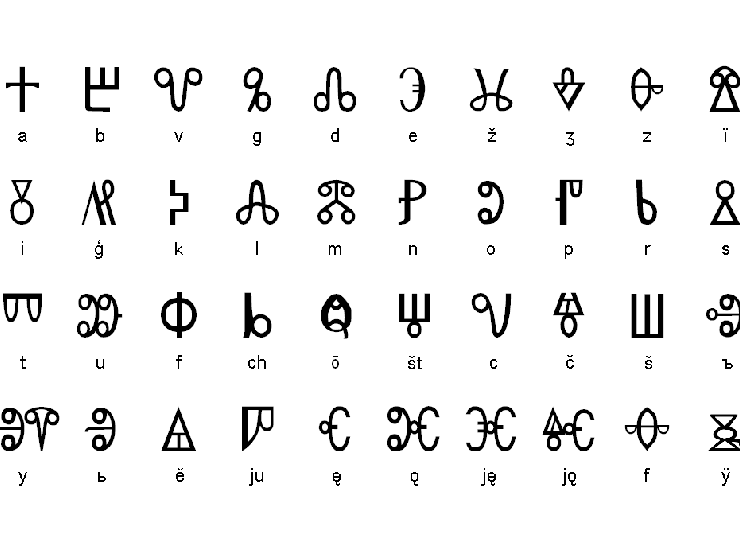
In its conception and as a linguistic tool, glagolica was an amazing achievement – a tool to give power of written word to half the Europe. It was invented to accommodate the complex sound …

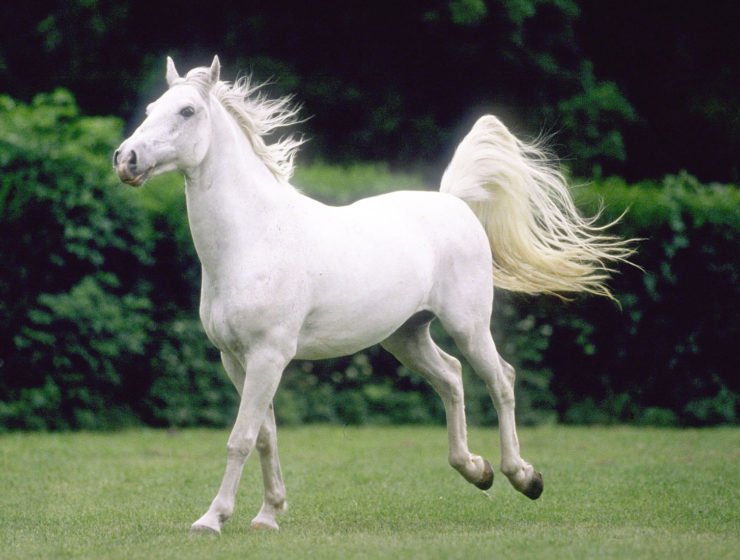
Dancing horses of Lipica
They were bred to selected imported mares and the local Karst horses, which were white in colour, small, slow to mature and extremely tough.
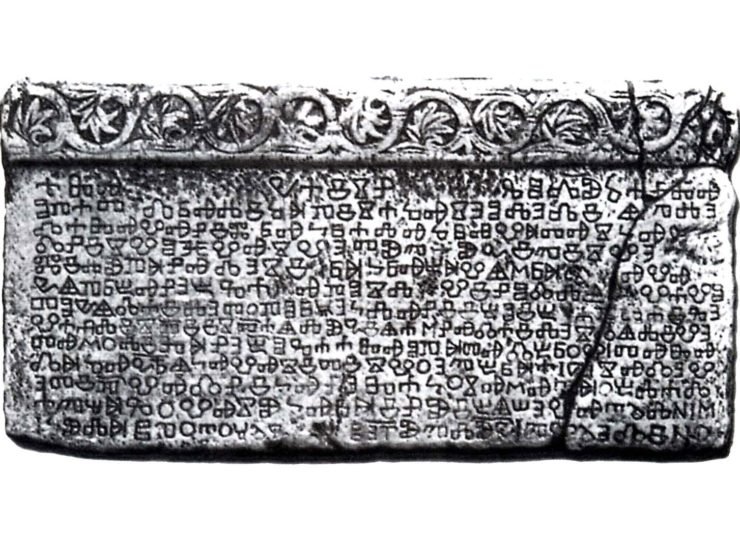
Glagolitic script in Slovenia
Glagolica was still in common use in parts of Slovenia during the 15th, 16th and 17th centuries. In the 16th century Reformation movement and the introduction by Primož Trubar of the Latin …

Stična Abbey
A centre of learning, it surpassed for a period of time in influence and standing Ljubljana, the capital of Slovenian territories.
VCE outcomes, Unit 1-4
The summary of outcomes and assesment tasks
Text types
When we communicate, we use a wide variety of language forms, which have their particular structure, style and purpose. They have been called text-types or discourse forms.
Language functions
The following is an extensive, but not exhaustive, list of a variety of functions, which form a part of communication between people, and could be useful in any teaching approach:
Linguistic elements
Students should understand the regularity of the relationship of sounds and letters in Slovenian, from the point of view of both accurate pronunciation and spelling in written Slovenian.
CSF Course Outline Sample 1
CSF Course Outline tables showing objectives, outcomes and general instructions to the course.
Stress, gender and number
As in English, stress in Slovenian can fall on any syllable of a word : máti(mother); govorìti (to speak); zakaj (why). In the vocabularies the stress is always marked. In diferent forms of the same word, the stress occurs quite on different syllables: nosìti – nósim, móž – možÃ¡, člôvek – človèka. A few words have no stress whatsoever.