


There are more than forty distinct cuisines in a country, whose main distinguishing feature is a great variety of land formation, climate, and history.
Webzine
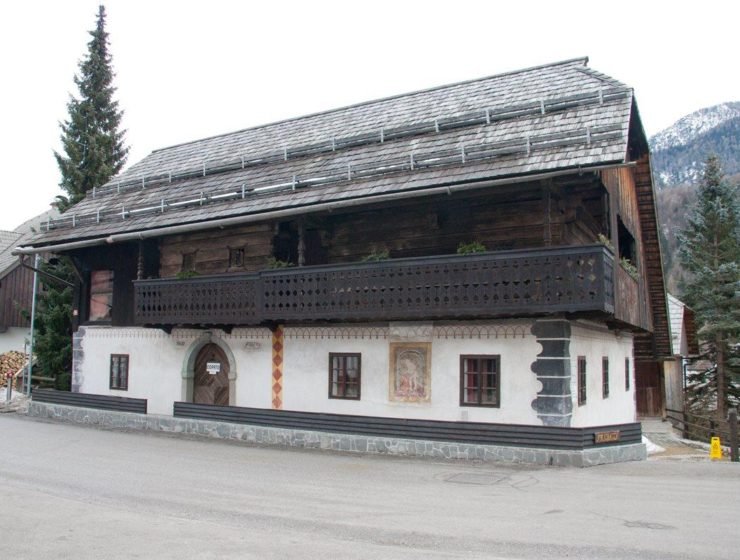
Liznjek Homestead
Liznjek house highlights the well established residential culture of country houses in the Upper Sava Valley during the first half of the 17th century. In the centre of Kranjska gora …
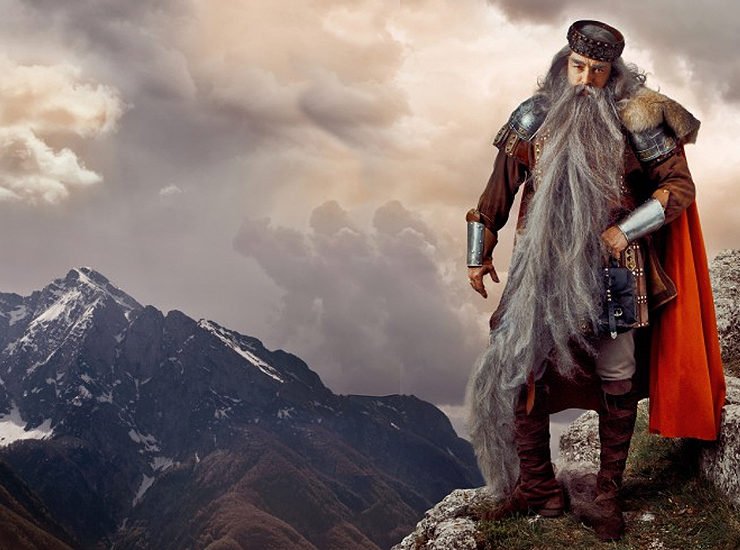
King Matjaž
Kralj Matjaž/King Mathias is the mythical king of the Slovenian people. The stories of Kralj Matjaž are many, and can be traced far back to pagan times. He represents a mythical ruler …
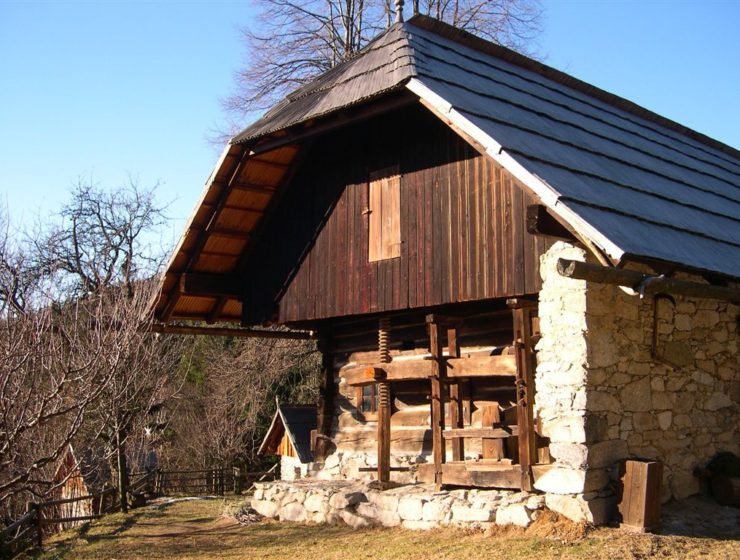
Kavčnik Homestead
The Kavčnik homestead with its central part named “dimnica” (smokehouse) takes us back some 400 years. In this space the family slept, cooked, ate and worked.
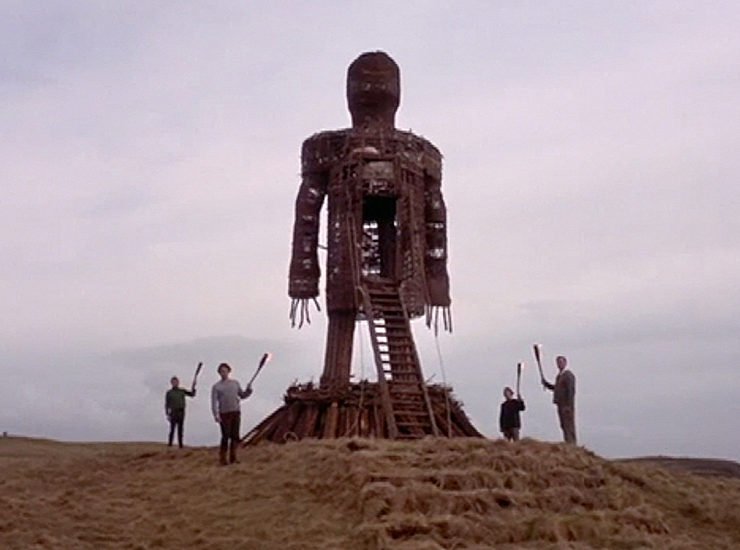
Bonfire man
Kresnik appears to be the fire god, the son of the sun god, or in later tradition a powerful hero with magic powers. The word Kresnik derives from kres/bonfire and the bonfires of midsummer solstice.
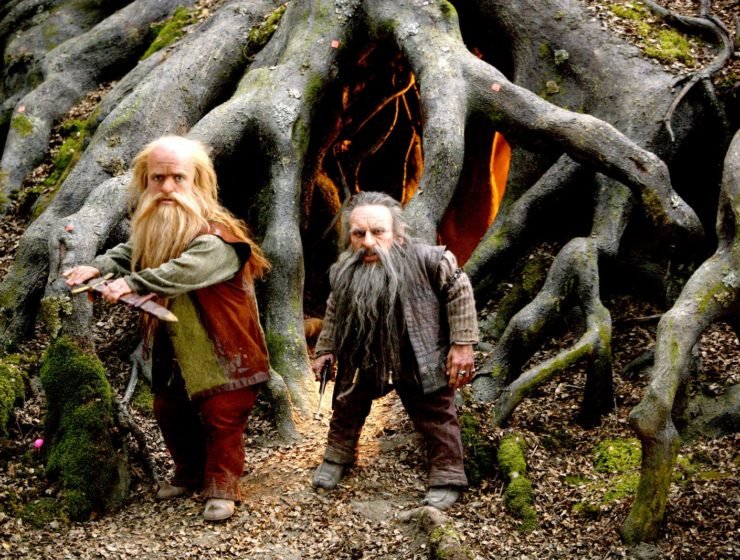
Tales of Dwarfs
The underground is the domain of the dwarfs, who guard its treasures. They can lead to great riches, but never willingly. They must be tricked to reveal the hidden treasures of the earth. In their contact with humanity, they are mischievous and love to play tricks.

The Goldenhorn
The legend of Goldenhorn/Zlatorog, the white steinbock with golden horns, is one of the best known Slovenian tales. His realm are the heights of Slovenia’s legendary mountain, Triglav, where tended by White women or Vile (fairies), he guards great treasures.
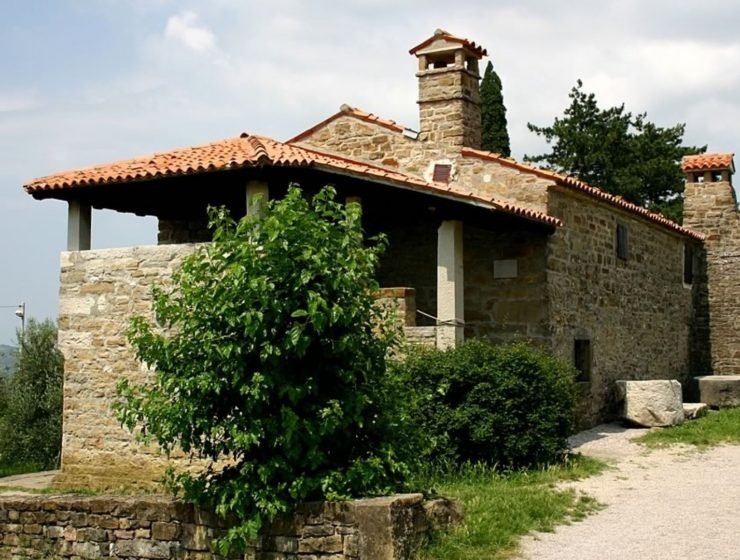
House of Tona
Tona’s house/Tonina hiša got its name after its last resident, the well-to-do farm owner, Mrs. Antonija Goreli. Some 500 years old building, it is a beautiful example of Istrian rural architecture.
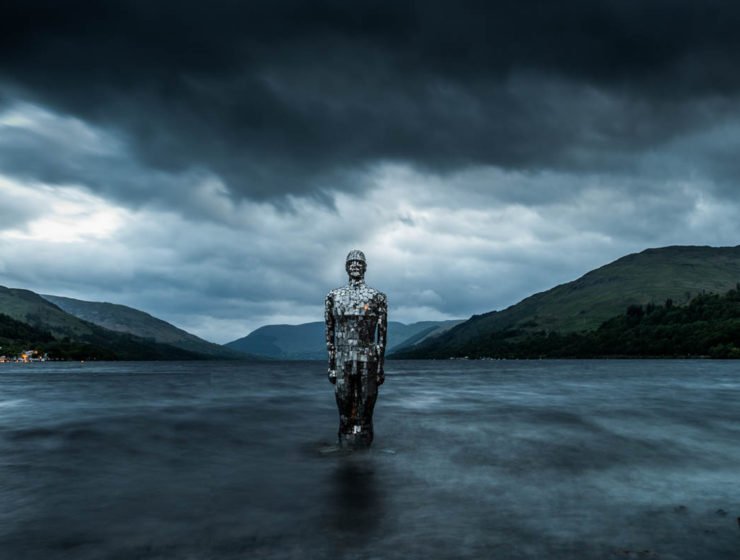
Water Man and the Boy
Many tales of the Water Man are about his loneliness and goodwill towards humans. He sometimes saves or kidnaps young maidens or children, is kind to them and offers them a wonderful life with great treasures to entice them into staying with him.
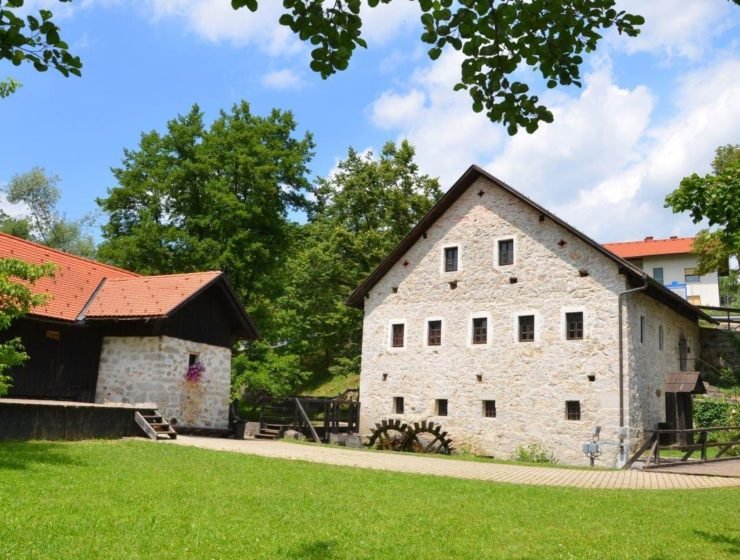
The Trubar Homestead
The three buildings stand on the spot, where Trubar homestead stood, the house where he was born in 1508, with the mill and sawmill. However the present buildings are of more recent date – merely 200 years old.