

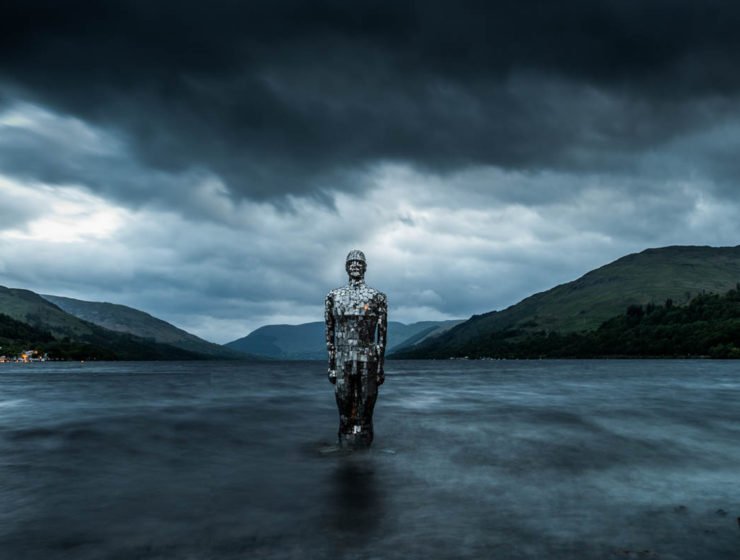
There are few traces left of Vodnar, god of waters in Slovenian tradition, but he lives on in the folk tales as the water man, inhabiting the rivers and lakes of Slovenia, and as St. Christopher, the bread-giver.
Webzine
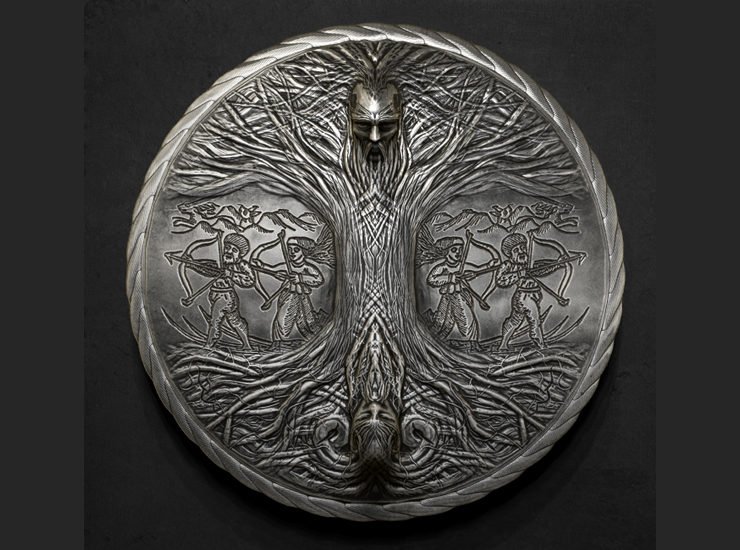
The Next World
Carantanians believed that there was a world where the departed dead go, deep underground. There is also an upper world, a beautiful garden, in the mountains, a metaphor for paradise.

Čatež
Čatež as described in Slovenian legends is identical with Greek Pan, and his double Roman Silvanus. In common with these deities Čatež is half man half goat, and has horns.
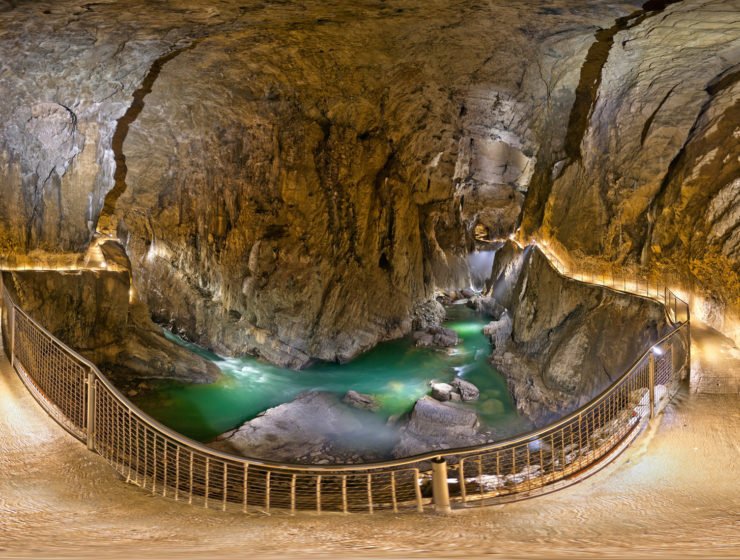
Škocjanske Jame / The Škocjan Caves
World heritage site The Škocjan Caves is a natural phenomenon of global significance, ranking side by side with the Grand Canyon, the Galapagos Islands, and the Mammoth Cave system.
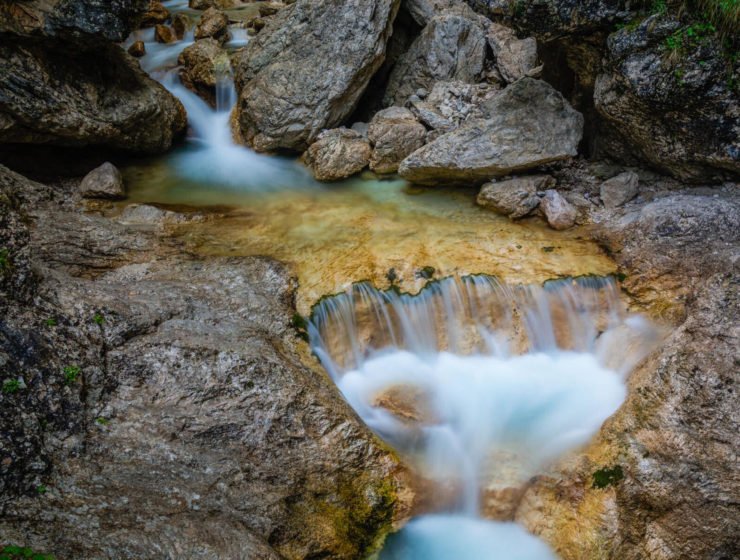
Tales of rivers
These are widely known Slovenian folk tales; "Tale about Drava River" is an account how rye and wheat grain came to Slovenian lands. The "Drava, Sava and Soča" compares the character of the three rivers…
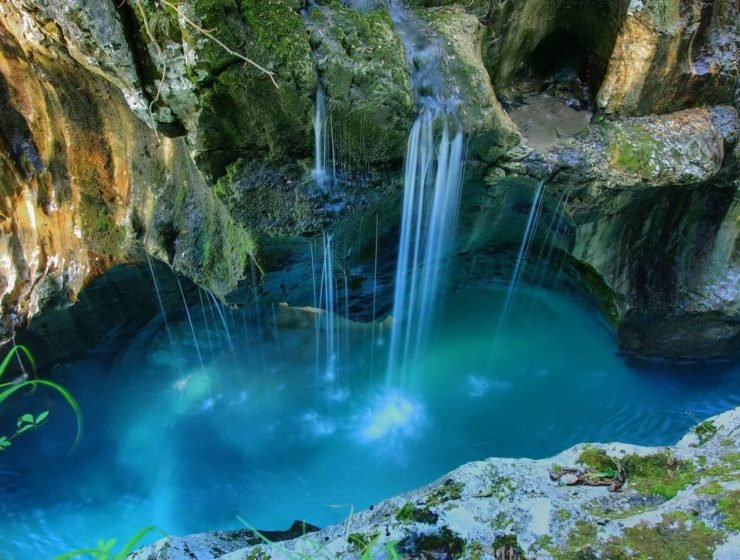
Tales of three rivers
Tales about rivers have a special place in Slovenian tradition. They reflect the fondness the Slovenian people have towards their major rivers and express the gratitude and appreciation for the prosperity they bring to their land.
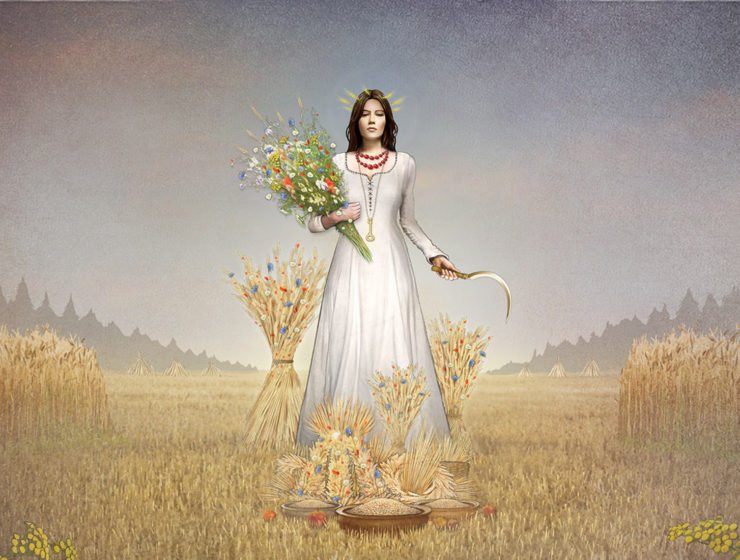
Zemlja
Frygian name Zemele means earth in Baltic and Slavic languages, the ground, the world. Its identification with the Greek Gaia has been preserved by Latvians as mother earth Žemyna
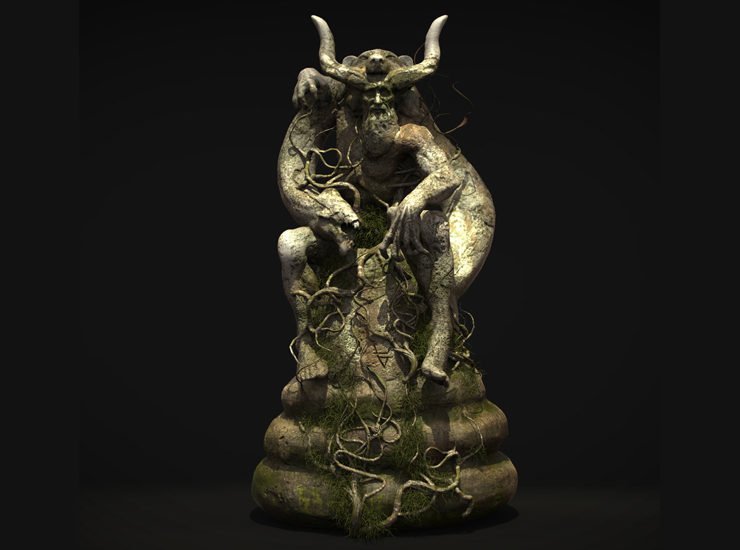
Vodin
God Vodin can be traced back to the Venetic people who had settled in Scandinavia. There are also traces of him elsewhere, particularly in pre-christian Caranthania, as the god
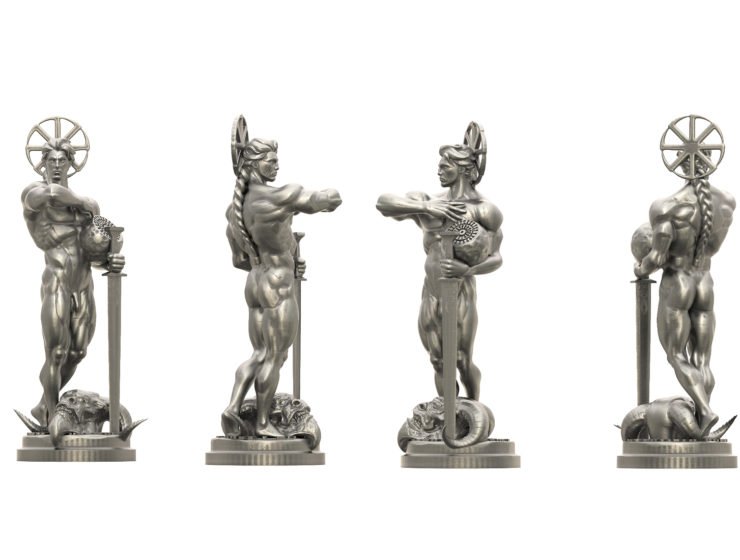
Belin
Belin is an ancient deity. He succeeded the Great Spirit of the Age of Hunters and appeared as the highest god in the Age of Shepherds and Tillers. He manifested as
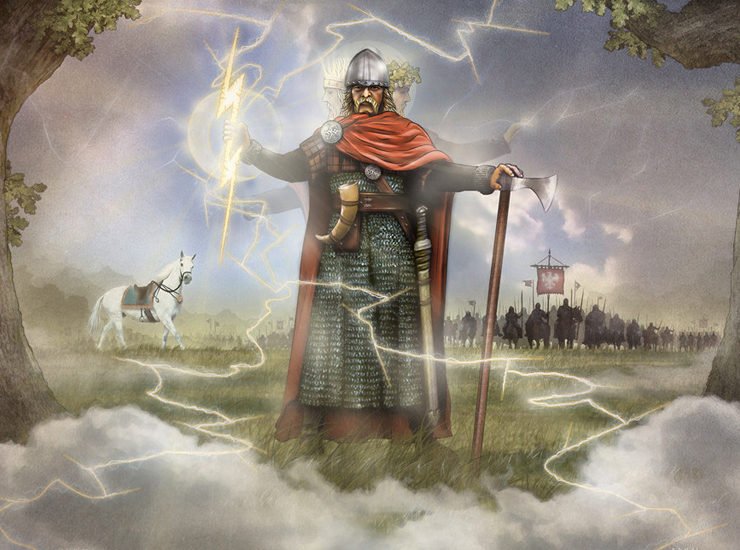
Svetovid
The worship of Svetovid or Svantevid has been established among Baltic Slavs, Rugians and Pomeranians, and Carantanians in the Alpine region. We encounter him only in Middle Europe.