
The VISE educational reform was followed by a second complete overhaul of senior secondary school curriculum and assessment. In 1986 a new authority, the Victorian Curriculum and Assessment Board (VCAB) set up nine Fields of Studies Committees (FOSCs) for all areas of teaching. Aleksandra Ceferin was appointed to the Field of Studies Committee for Languages Other than English (FOSC LOTE). She was one of the twenty-four members, comprising secondary teachers, experts and theorists on a number of languages.

VISE (1980-1986)
Following a name change of the accreditation body, to Victorian Institute of Secondary Education (VISE), Victoria conducted a major educational reform in 1978 and 1979, which affected the accreditation of Slovenian as an HSC language. Initially there was a delay of two years before the accreditation procedure could begin. Secondly Slovenian became the first and pioneer subject, so-called HSC Group 2 subject under the new HSC assessment scheme. It became a model for all subsequently accredited languages.
BoS (1993-2001) and VCAA (2001-2006)
In 2001 a review of the two-year VCE course brought some changes. The major change is that a key writing assignment during Year 12, the so-called CAT 1 was replaced with a series of eight strictly defined tasks or Outcomes in Year 11 and six tasks in Year 12. They were to be completed under test conditions and assessed by the classroom teacher.
ISSV Projects 1998 – 2009
It was based on a broad concept and vision for the maintenance of Slovenian identity – a sense of who we are and where we are going in the modern world. The website is an expression of our sense of pride in our origins, our language, our continued existence as a separate independent people, despite the pressures brought to bear on us to change. Thezaurus is also a vehicle for further projects on the Web, structured in such a way that projects can be included and expanded according to need. The structure is flexible and dynamic, so that new projects can be added.

Curriculum and Standards Framework (CSF) for LOTE and Slovenian Language
Following the consolidation of the VCE levels 11 & 12, the CSF reform of all levels of school education called CSF began, initially with intensive series of professional development sessions, which included curriculum development.
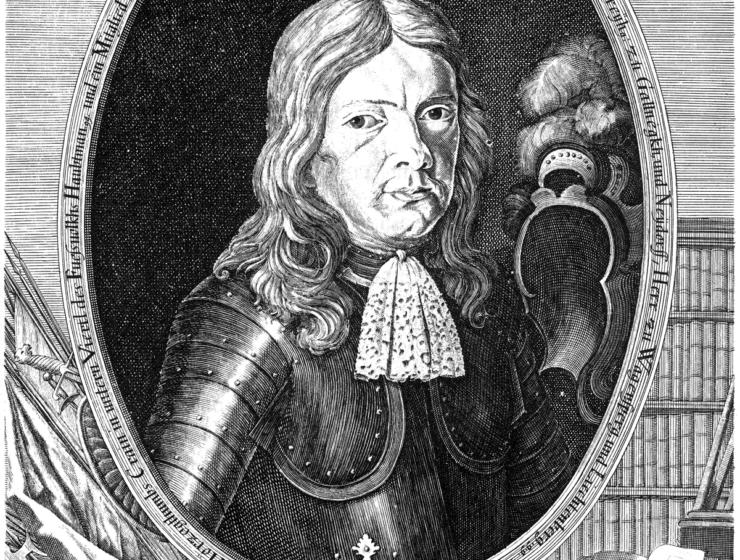
Janez Vajkard Valvasor
At that time, and some time after, no other country could boast of such a publication. In this work he describes Carniola, the central Slovenian region.

Primož Trubar
The third defining event in Slovenian history is the emergence of reformation and its guiding spirit – Primož Trubar, a priest and disciple of Martin Luther. Trubar argued for Slovenian …
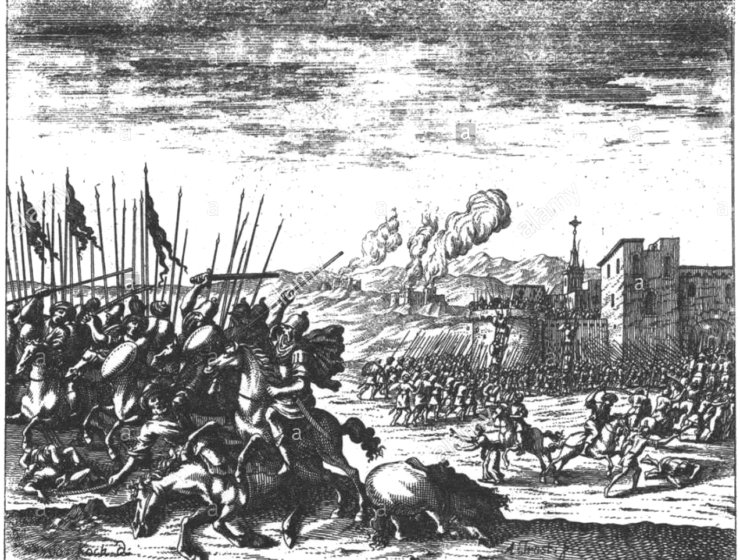
Slovenian lands in 16th century
The fighting and survival strengths of Slovenian people were tested to their limits. They emerged as a self-aware people with a literary language. Protestantism was a watershed …
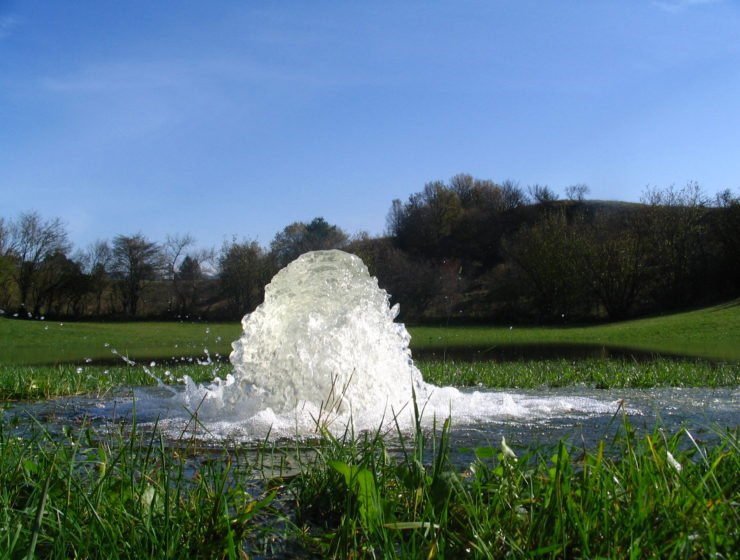
Pivka Valley, the jewel of Kras
The fluidly shifting relationship between surface and underground waters adds to the magic of the area.
Language courses in Slovenia
Numerous courses for study of Slovenian language, are provided by the University of Ljubljana, at The Center for Slovene as a Second/Foreign Language, Faculty of Arts. Applicants have a choice of short courses, a half-year course, short winter and summer school, personal tuition, and the annual full year course.